Canadian owned and operated
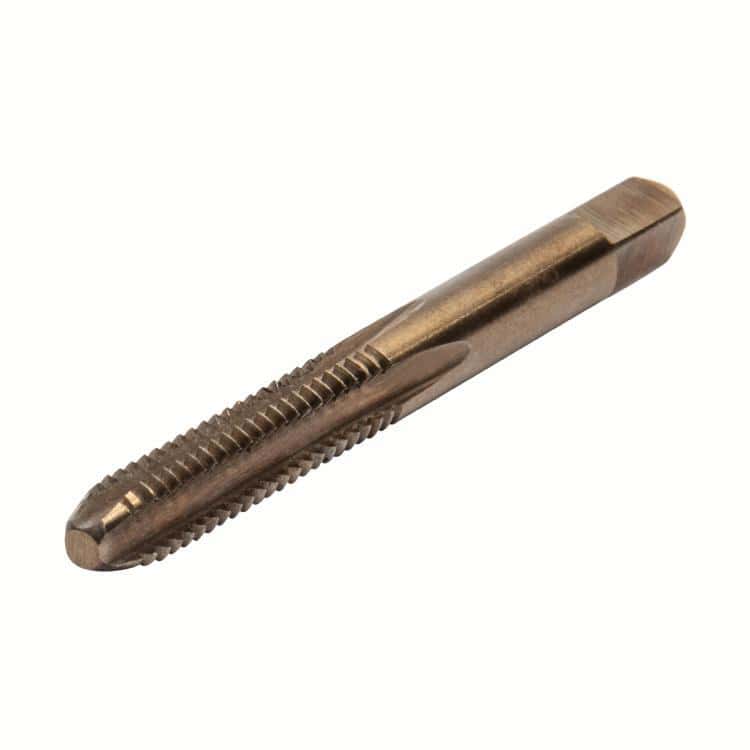
In the welding and fabrication world, thread integrity is often the final step in a long project. The Walter 1/4-20 NC Bottoming Tap (SKU: 03B043) is the tool you want in your hand when you need to tap a blind hole in a custom bracket or clean up threads that have been distorted by heat or spatter. Built from durable High Speed Steel (HSS), this tap is designed to cut through the materials welders work with every day, including mild steel, aluminum, and stainless steel. The HSS construction is far superior to hardware-store carbon steel taps, offering the heat resistance needed to cut through work-hardened zones often found near welds.
This tap is a "bottoming" style, which means it has very little taper at the tip—typically only 1 to 2 threads. This design is specifically intended for blind holes where the hole stops inside the material. A standard taper or plug tap would hit the bottom of the hole before cutting full threads to the required depth, but the Walter bottoming tap allows you to thread almost all the way to the bottom. This is crucial for fabrication jobs where material thickness is limited, and every millimeter of thread engagement counts for the strength of the connection. It is the perfect finishing tool to follow a plug tap or to use on its own in shallow holes.
Walter Surface Technologies is known for producing tools that withstand the rigors of industrial environments, and this tap is no exception. The threads are precision ground, ensuring that when you drive a bolt into your finished piece, it goes in smooth and holds tight. Whether you are tapping a new hole in a mounting plate or chasing damaged threads on a piece of equipment, this tool provides the bite and durability required to get the job done right without breaking off in the hole. Keep your fabrication projects moving and ensure professional-quality assembly with this essential threading tool.
| Additional Information |
|---|
| Brand:Walter Surface Technologies |
| Used To Cut:Steel, Stainless Steel & Aluminum |
| Packaging Description:1-per-each |
| Thread Size:1/4"-20 NC |
| Tap Style:Bottoming |
| Material:High-Speed Steel (HSS) |
| Thread Standard:UNC (Unified National Coarse) |
| Chamfer Length:1-2 Threads |