Skip to Main Content
Canadian
Canadian owned and operated
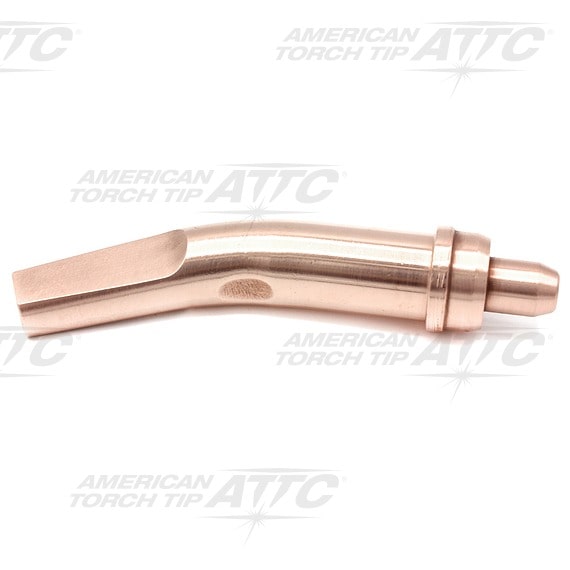
1-118-6 Victor Style Acetylene Gouging Nozzle Size 6

$83.92/ea $55.16/1 per each only $55.16/eaSave 34%

In stock

OVERVIEW

Precision Gouging with the 1-118-6 Victor Style Tip

Take control of your weld repairs and metal preparation with the 1-118-6 Gouging Tip, a high-performance alternative designed for your Victor 300 Series torch. When a standard cutting tip just won't cut it—or rather, when you need to un-cut or groove metal—this specialized nozzle is your go-to tool. Designed specifically for oxy-acetylene setups, the 1-118 series features a unique tip geometry that directs the oxygen stream to wash molten metal away smoothly, allowing you to carve precise grooves, remove old welds, or prep cracks for repair with ease.

The Size 6 configuration packs a punch, delivering the oxygen flow needed for medium-to-heavy gouging tasks. Whether you are fixing a mistake on a heavy fabrication project or dismantling riveted structures, this tip gives you the visibility and control to remove exactly what you need without damaging the surrounding base metal. The medium preheat holes are perfectly tuned for acetylene, ensuring quick starts and a stable puddle, which is critical when you are trying to maintain a consistent groove depth across a workpiece.

Why struggle with grinding discs that take forever and create a mess? With the 1-118-6, you can remove metal fast and clean. It fits directly onto the Victor-style torch handle or cutting attachment you likely already own, making it a versatile addition to your oxy-fuel kit. Built to withstand the intense heat of gouging operations, this tip features a durable copper shell and precision-drilled ports for consistent flame characteristics. It is the smart choice for welders who demand quality results and versatility from their equipment.

Features for the Professional Welder

  • Optimized Geometry: Angled tip face helps direct the wash for smooth, clean grooves.
  • Direct Fit: seamless compatibility with Victor 300 series torches and attachments.
  • Acetylene Ready: Tuned specifically for the high-temperature characteristics of acetylene gas.
  • Versatile Use: Perfect for scarfing, deseaming, and washing out rivets.
Additional Information
Brand:Victor Style
Item:Gouging Tip
Fuel Gas:Acetylene
Fits Which Torch:Victor 300 Series
Packaging Description:1 per each
Tip Series:1-118
Tip Size:6
Preheat Type:Medium Preheat
Application:Gouging, Scarfing, Weld Preparation
Cutting Capacity:N/A
Oxygen Setting:44-55 psi
Fuel Setting:7-14 psi
Fuel/gas:Acetylene

INCLUDED

  • 1 x Generic 1-118-6 Acetylene Gouging Tip

APPLICATIONS

  • Gouging defective welds
  • Scarfing and deseaming
  • Weld edge preparation (U-grooves)
  • Rivet washing
  • General metal removal

FAQ

The 1-101 is a standard cutting tip designed to sever metal with a straight cut (90 degrees). The 1-118 is a gouging tip with a slightly angled design and orifice geometry meant to wash metal away to create grooves rather than cutting through.

No, the 1-118 series is designed specifically for Acetylene gas. For Propane gouging, you would typically require a different tip style (often GPN or similar) designed for alternative fuels.

This tip fits Victor 300 Series cutting attachments and straight torches. It is not compatible with the smaller Victor 100 series (which uses 3-series tips).

The size indicates the diameter of the cutting oxygen orifice. A size 6 is a larger tip capable of deeper and wider gouges compared to smaller sizes like a 2 or 4.

It is primarily used for gouging out old or defective welds, preparing plate edges for welding (J or U grooves), and washing off rivet heads.

Gouging typically requires adjusting your oxygen pressure based on the depth of the groove desired. Refer to the manufacturer's chart, but generally, pressures are similar to cutting tips of the same size, though technique differs.

No, this is a high-quality generic replacement part manufactured to Victor style specifications.

Yes, standard tip cleaners can be used to clear the preheat and oxygen orifices, but care must be taken not to alter the shape of the holes.
Google Rating
4.9
Based on35reviews
×
js_loader