Canadian owned and operated
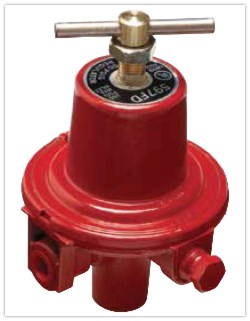
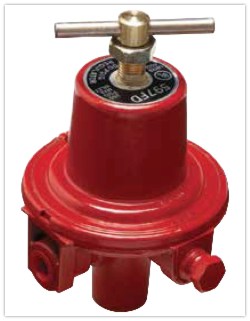
For professional welders working with sensitive materials like titanium or high-grade stainless steel, the quality of the shielding gas coverage is just as important as the arc itself. The Miller Smith 620 Series Silverline Regulator brings laboratory-grade precision to the welding shop. While standard single-stage regulators may experience pressure fluctuations as your tank empties—potentially leading to porosity or oxidation—this two-stage regulator maintains a rock-steady flow. By stepping down the pressure in two distinct stages, it isolates your weld zone from the variables of cylinder pressure, ensuring consistent coverage from the first arc strike to the bottom of the tank.
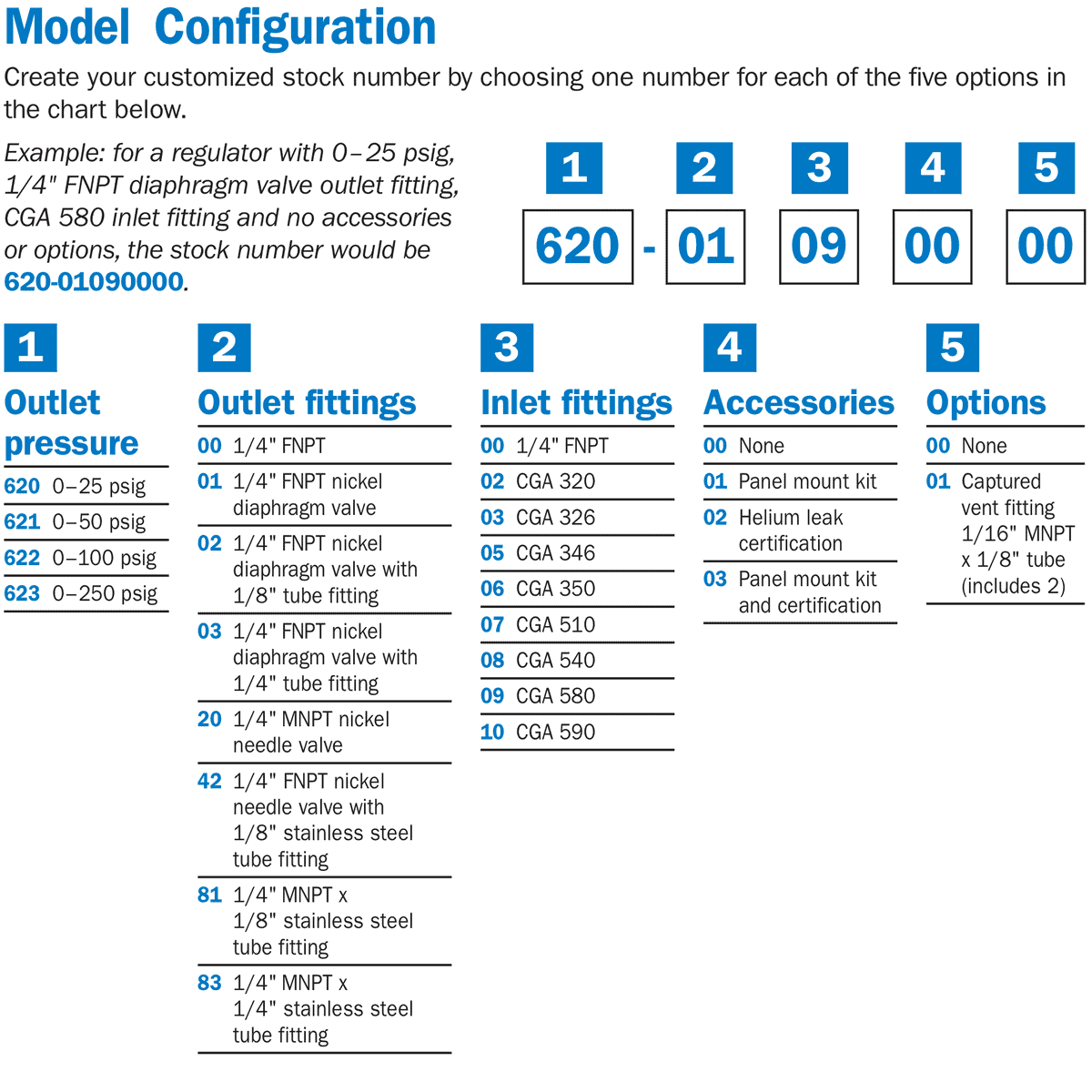
This specific model offers a delivery pressure range of 0-25 PSIG, making it exceptionally well-suited for back-purging applications where low pressure is critical to avoid blowing out the root pass. The fine control allows welders to dial in the exact environment needed inside pipes or vessels. The included 1/8" tube stainless steel needle valve provides granular control over the flow rate, far superior to standard flow gauges. The CGA 580 connection fits standard Argon, Helium, and Nitrogen cylinders, making it a versatile tool for TIG and MIG processes requiring inert shielding gases.
Despite its high-precision internals, the 620 Series is built tough. The nickel-plated brass body resists corrosion and stands up to the rigors of industrial environments better than standard brass. The stainless steel diaphragm is a significant upgrade over rubber diaphragms found in cheaper units, offering longer life and better response to pressure changes. Additionally, the filtered seat design prevents microscopic debris from damaging the sealing surface, reducing maintenance downtime. When your welding procedure specification (WPS) demands zero defects and absolute consistency, trust the Miller Smith 620 Series to deliver the gas exactly as required.
| Additional Information |
|---|
| Brand:Miller |
| CGA Fitting:CGA 580 |
| Item:Regulator |
| Max Inlet:3500 PSI |
| Max Outlet:25 PSI |
| Used On Which Gas:Argon or Nitrogen |
| Series:620 Silverline |
| Stages:Two Stage |
| Body Material:Nickel Plated Brass |
| Diaphragm Material:Stainless Steel |
| Filter Material:316 Stainless Steel |
| Outlet Connection:1/8" Tube Stainless Steel Needle Valve |
| Gas Service:Inert Gas, Specialty Gas |
| Packaging Description:1 per ea |