Canadian owned and operated

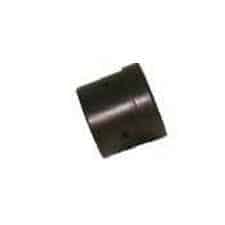
When you are running a 300-amp plasma cutter, you are likely cutting thick plate and pushing your equipment to the limit. The Thermal Dynamics 21-1023 Cartridge Body is the backbone of your torch's front-end assembly. It is the part that holds everything together—literally. It secures your electrode and nozzle in perfect alignment while managing the intense heat and electrical current required to slice through heavy steel. Over time, heat cycles and general wear can degrade the cartridge body, leading to poor cut quality or even coolant leaks.
Think of the cartridge body as the foundation of your consumable stack. If the foundation is cracked or warped, the house won't stand straight. Similarly, if your 21-1023 body is pitted or the threads are worn, your consumables won't seat correctly. This misalignment causes the plasma arc to skew, resulting in angled cuts that require expensive grinding and rework. Replacing the cartridge body is a smart preventative maintenance step that can save you hours of frustration and hundreds of dollars in wasted consumables. A fresh body ensures optimal electrical conductivity and efficient cooling, which extends the life of your nozzles and electrodes.
This genuine Thermal Dynamics part is built to handle the punishment of industrial environments. Whether you are operating a gantry table or a robotic cell, reliability is key. The 21-1023 is designed to withstand the high coolant pressures and gas velocities typical of 300A systems. It resists the buildup of spatter and debris, although regular inspection is always recommended. When you notice that your consumable life is dropping or your cut quality is drifting despite changing tips and electrodes, it is often the cartridge body that is the culprit.
Installation is straightforward, designed to get you back up and running quickly. Simply disassemble the front end of the torch, inspect the O-rings and seals, and thread the new cartridge body into place. It is a small investment that protects the much more expensive torch head and power supply components. Don't let a worn-out body compromise your production schedule; keep a spare 21-1023 on the shelf to ensure your high-amp cutting operations never miss a beat.
| Additional Information |
|---|
| Amperage:300 |
| Brand:Thermal Dynamics |
| Item:Cartridge Body |
| Part Number:21-1023 |
| Amperage Rating:300A |
| Component Type:Torch Body / Cartridge |
| Process:Plasma Cutting |
| Cooling Method:Liquid Cooled |
| Packaging Description:pack of 1 |