Canadian owned and operated
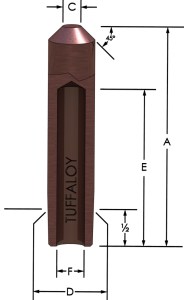
There is nothing more frustrating than a sputtering arc right in the middle of a perfect bead. Often, the culprit is a worn-out contact tip. The ESAB 996994 .030" Contact Tip (5-Pack) is your insurance policy against poor weld quality and frustrating wire feed issues. Designed specifically for 0.030-inch welding wire, these tips are the unsung heroes of your MIG torch, responsible for guiding the wire and delivering the power needed to melt metal. When your contact tip wears out, the hole gets bigger, the contact gets sloppy, and your welds start to look messy. Swapping in a fresh ESAB tip restores that crisp, frying-bacon sound of a perfectly tuned welder.
This package includes five high-quality copper contact tips, giving you plenty of backups for your projects. Why buy just one when you know you'll need more eventually? Having a 5-pack in your toolbox means you never have to stop work to run to the store. These tips are manufactured to strict standards, ensuring they thread easily into your gas diffuser and provide a snug path for your wire. The copper construction handles the heat of welding while ensuring maximum power flows into the wire, giving you better penetration and a smoother puddle control.
Whether you are a hobbyist working on a car restoration or a professional welder in a fabrication shop, using the right consumables is key to getting professional results. These tips are designed for the 0.030" wire commonly used for sheet metal, exhaust work, and general steel repairs. They are compatible with specific ESAB and Firepower MIG guns, making them a perfect fit for your machine. Don't let a cheap or worn-out part compromise your work. Stick with genuine ESAB consumables to keep your equipment running like new.
Changing a contact tip is one of the easiest and most effective maintenance tasks you can perform. If you notice your wire sticking, burning back, or wandering as it comes out of the nozzle, it's time for a change. With the ESAB 996994 5-pack, you can swap out the old tip in seconds and get back to laying down dimes. Grab a pack today and ensure your welder is ready for whatever job comes next.
| Additional Information |
|---|
| Brand:ESAB |
| Item:Contact Tip |
| Wire Size:0.030" |
| Packaging Description:5 per pak |
| Material:Copper Alloy |
| Product Type:MIG Contact Tip |
| Compatible Process:MIG (GMAW), Flux Cored (FCAW) |
| Pack Quantity:5 |