Canadian owned and operated
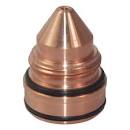
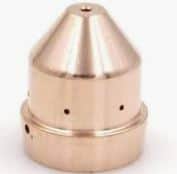
The ESAB 18419 Heat Shield is a critical component for the PT-121 plasma cutting torch, specifically engineered for drag cutting applications. In the demanding world of industrial plasma cutting, the front-end consumables of a torch are subjected to extreme heat, high-velocity gas, and molten metal back-blow. The 18419 shield acts as a robust barrier, protecting the delicate copper nozzle and internal components from these harsh conditions while enabling contact cutting techniques.
Drag cutting is a preferred method for many fabricators because it simplifies the cutting process. Instead of manually holding a specific standoff height—which requires a steady hand and experience—the operator can rest the 18419 shield directly on the metal plate. The shield is designed with specific geometry to maintain the precise arc length required for the plasma stream to cut effectively without extinguishing or damaging the nozzle orifice. This direct contact method also allows for easier use of straight edges and templates, resulting in cleaner, straighter cuts with less effort.
Technically, the 18419 shield also serves an electrical insulation function. It prevents the electrically live nozzle from shorting out against the workpiece, a phenomenon known as "double arcing" which can instantly ruin a nozzle and potentially damage the torch head. Constructed from high-temperature resistant materials, this drag shield withstands the thermal shock of piercing and the continuous heat of cutting. It channels the secondary gas flow (if applicable) or shield gas to assist in cooling the front end and blowing away dross.
For professionals using the PT-121 torch, keeping a stock of 18419 shields is essential for uninterrupted production. As a consumable item, the shield will eventually wear down from contact with the plate and exposure to spatter. Regular inspection and replacement of the drag shield are vital for maintaining cut quality and protecting the more expensive parts of the torch assembly. Upgrade your cutting setup with this high-performance shield designed for durability and precision.
| Additional Information |
|---|
| Brand:ESAB |
| Packaging Description:1 Per Ea |
| Product Type:Heat Shield, Drag Shield |
| Torch Compatibility:PT-121 |
| Torch Type:Plasma |
| Consumable Type:Shield |
| Cutting Type:Drag Cutting |