Canadian owned and operated

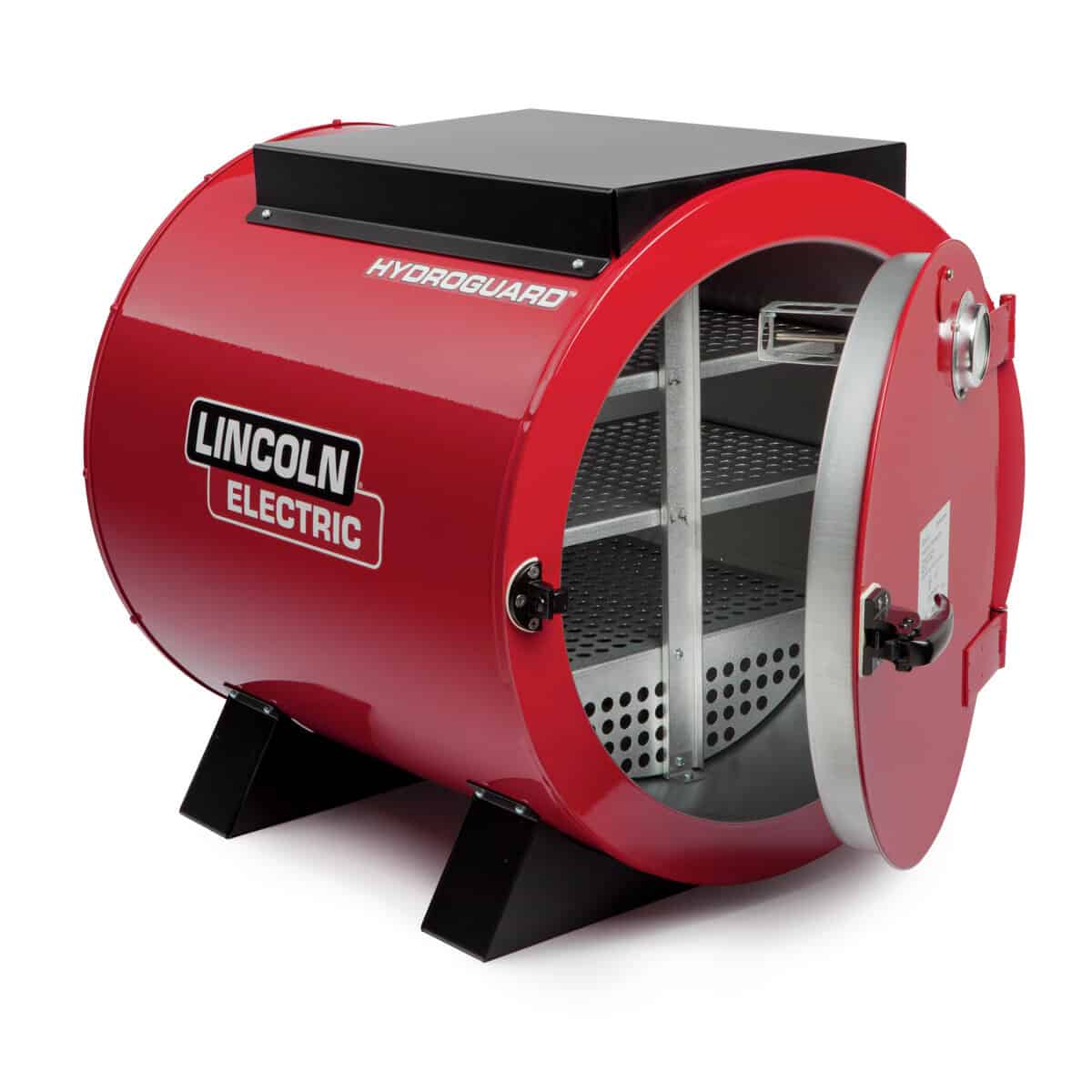
The Gullco 125lb Stackable Rod Oven is a premier solution for the storage and stabilization of welding electrodes. Designed for versatility and performance, this 110-volt unit is a staple for welders who demand consistency in their arc and bead appearance. When welding rods absorb atmospheric moisture, the flux coating degrades, leading to erratic arcs, excessive spatter, and difficult slag removal. By maintaining your inventory in a controlled thermal environment, this oven ensures that every rod performs at its peak, providing smooth burn-off and superior mechanical properties in the deposited weld metal.
This model is specifically favored for its stackability. In many welding bays, floor space is at a premium. The Gullco 125 allows facilities to stack units securely, creating a dedicated station for electrode management without expanding the footprint. This is particularly useful for shops that need to separate different alloys or diameters; one oven can be designated for 7018, another for stainless steel, and so on, all within the same vertical column. The 125 lb capacity is perfectly balanced for medium-to-heavy fabrication tasks, holding enough stock to last through significant shifts while being compact enough to move if shop reconfiguration is necessary.
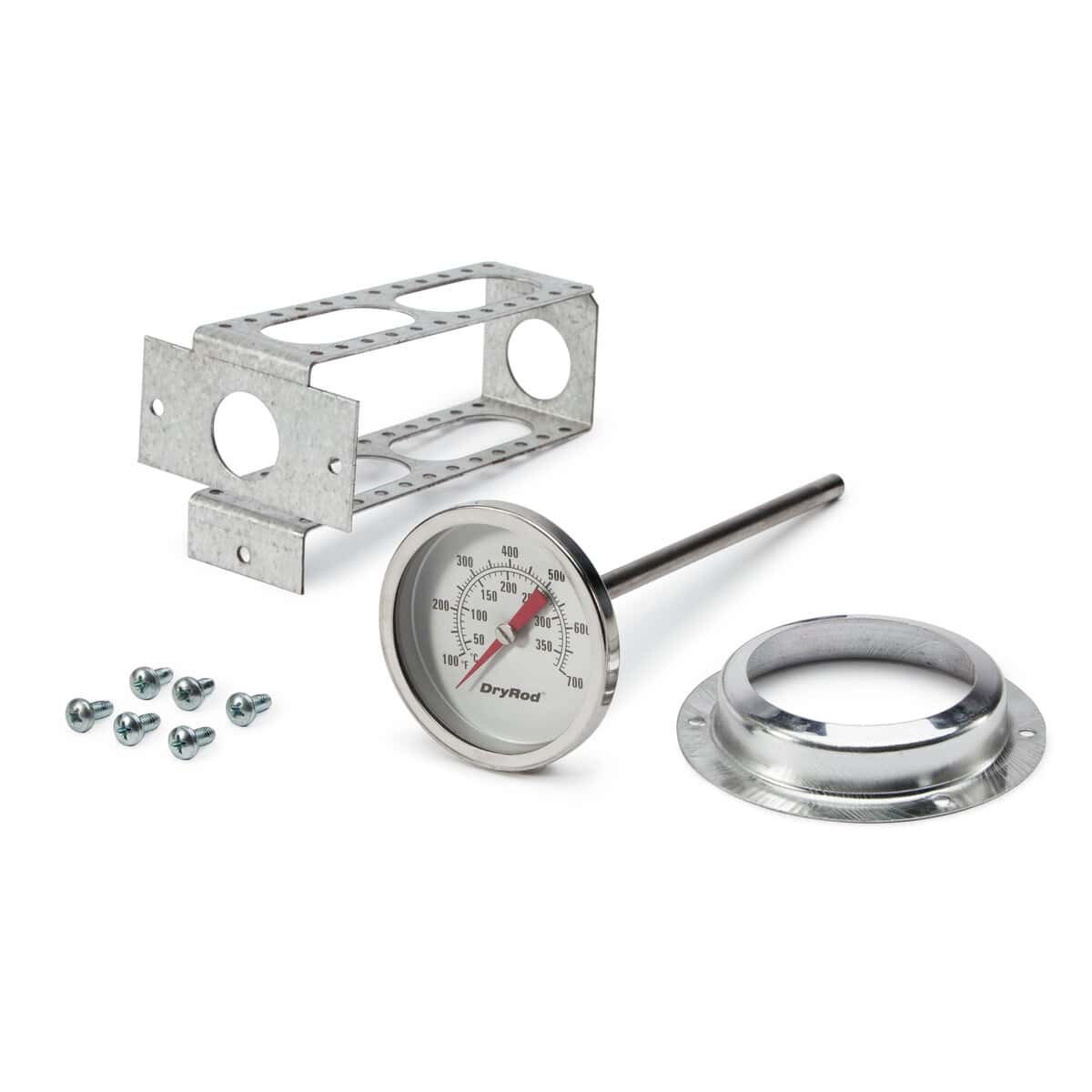
Technically, the oven operates on a standard 110V supply, ensuring it can be plugged in almost anywhere without special wiring. The internal chamber is designed for uniform heat distribution, preventing cold spots where moisture could linger. The thermostat allows for precise temperature regulation, critical for adhering to strict welding codes that dictate specific storage temperatures for low-hydrogen consumables. The exterior is finished with a durable coating to resist corrosion and wear, ensuring the unit looks professional and functions reliably for years. For the welder who takes pride in their work, the Gullco 125lb Rod Oven is not just an accessory; it is a necessity for quality assurance.
| Additional Information |
|---|
| Item:rod-oven |
| Packaging Description:1-per-each |
| Capacity:125 lbs |
| Input Voltage:110V |
| Design:Stackable |
| Temperature Control:Thermostat |
| Application:Electrode Storage, Moisture Prevention |