Canadian owned and operated
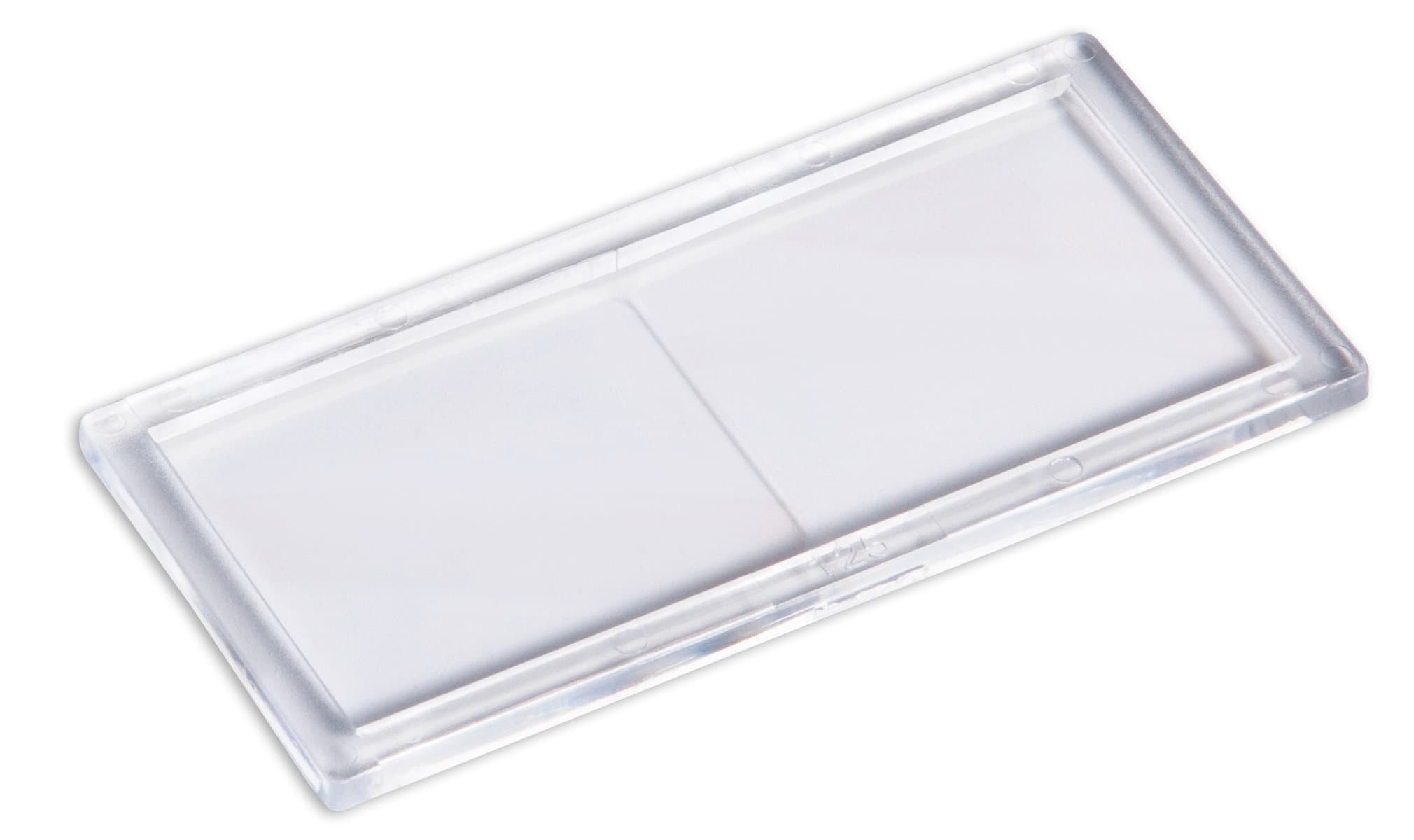
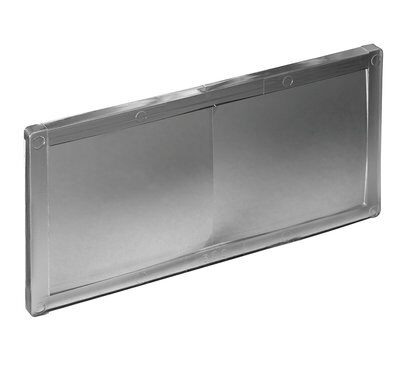
If you find yourself constantly adjusting your head or squinting to see the puddle clearly, it might be time to upgrade your hood with the Miller 212237 Magnifying Lens. Known affectionately in the trade as a "cheater lens," this simple add-on is a game-changer for anyone who wears reading glasses or bifocals. Instead of jamming your frames inside your helmet—where they pinch your temples, slide down your nose, or fog up the second you strike an arc—you can simply slide this lens right into your helmet's existing holder. It’s like building your prescription glasses directly into your gear.
This specific lens offers a 1.25 magnification strength. It's perfect for welders who need just a little bit of help bringing the fine details into focus. Whether you are laying down tiny dimes on a TIG job or trying to stay in the joint on a smoky stick weld, seeing what you are doing is half the battle. The 1.25 diopter brings the work closer to you visually, allowing you to relax your eyes and focus on your travel speed and torch angle. It fits the standard 2-inch by 4-inch bracket found in almost all Miller helmets, and it plays nice with other big brands like Jackson and Speedglas too. If your helmet has a slot for a cheater lens, this will likely fit.
Made from tough polycarbonate, this lens isn't a cheap piece of plastic that will scratch if you look at it wrong. It is built to survive the shop environment. Because it installs on the inside of your helmet, behind your main filter and cover lens, it stays protected from the sparks, spatter, and grime of the job. This means it stays clear longer, giving you a pristine view of the arc day in and day out. Installation takes seconds: just pop your helmet off, slide the lens into the frame on the inside, and you are good to go. No tools, no hassle.
Don't let "old eyes" or simple eye fatigue mess up your welds. A cheater lens is one of the cheapest investments you can make to instantly improve your weld quality. When you can see the puddle clearly, you make fewer mistakes, have fewer restarts, and produce better-looking welds. The Miller 212237 is a small accessory that makes a massive difference in your daily comfort and capability. Grab one for your kit and see what you've been missing.
| Additional Information |
|---|
| Brand:Miller |
| Item:Helmet Lens Magnifier |
| Shade Or Magnifier:1.25 |
| Lense Size:2 x 4 |
| Packaging Description:1-per-ea |
| Material:Polycarbonate |
| Compatibility:Miller, Jackson, Speedglas, Standard 2x4 Holders |
| Diopter Strength:1.25 |