Canadian owned and operated
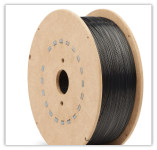
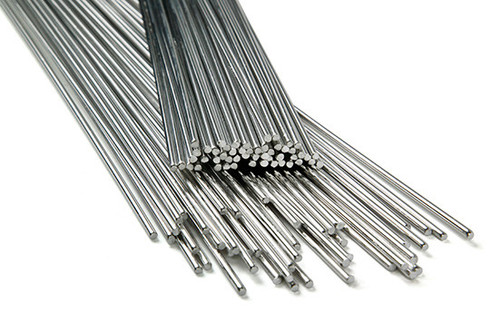
Take the headache out of welding dissimilar metals with Central Wire's ER309LSi .035" MIG Wire. If you have ever struggled with sluggish weld pools or lumpy beads when trying to weld mild steel to stainless, this is the solution you need. The "Si" in 309LSi stands for high silicon, and for the welder under the hood, that translates to a buttery smooth arc and a puddle that flows out effortlessly to the edges. This improved wetting action means your welds lay down flatter and look professional right out of the gun, saving you valuable time on grinding and finishing.
This 33lb spool is built for production work and serious fabrication projects. The .035" diameter is the sweet spot for a wide range of material thicknesses, giving you the control to handle thin gauge sheet metal or multi-pass structural joints. Because it is a 309L grade, it is specifically formulated to handle the dilution that occurs when you melt stainless filler into a carbon steel base, preventing cracking and maintaining strength. It is the ultimate "problem solver" wire for maintenance and repair jobs where you aren't always welding like-to-like materials.
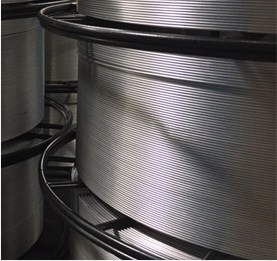
Central Wire is known for quality manufacturing, and this spool is no exception. The wire is clean, consistent, and layer-wound to prevent tangles and feed issues that can ruin a good bead. Whether you are building custom automotive exhaust parts, repairing kitchen equipment, or fabricating brackets that join steel frames to stainless tanks, this wire gives you the confidence that the weld will hold and look great. Pair it with a standard Tri-mix or Argon/CO2 gas, and you are ready to tackle any stainless-to-steel challenge.
| Additional Information |
|---|
| Brand:Central Wire |
| Diameter:0.035 in |
| Aws Spec:ER309LSi |
| Packaging:33 lb Spool |
| Weld Process:MIG (GMAW) |
| Polarity:DC |
| Grade:309 HiSil |
| Material Composition:Stainless Steel |
| Alloy Type:ER309LSi |
| Shielding Gas Requirement:Argon/CO2 Mix, Argon/Oxygen Mix, Tri-Mix |
| Spool Size:33 lb |
| Tensile Strength:85,000 PSI (Typical) |
| Current Type:DCEP (Direct Current Electrode Positive) |
| Packaging Description:33 lb spool |