Canadian owned and operated
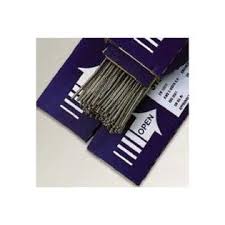
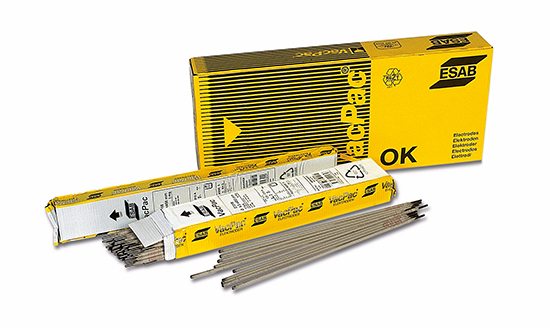
If you are looking for a stainless steel stick electrode that runs like butter, the Avesta E316L AC/DC 2.5mm is your answer. Welders know that stainless steel can sometimes be finicky, but Avesta has formulated this rod to take the headache out of the job. Whether you are running on a shop rectifier or a portable AC buzzer box, this electrode strikes easily and maintains a smooth, consistent arc. The 2.5mm size is perfect for those intricate jobs where you need control without blowing through thinner materials, yet it still lays down enough metal for structural passes on pipe and plate.
One of the biggest advantages of this Avesta rod is the slag removal. We've all dealt with stainless slag that fights you every inch of the way, but the E316L-17 coating is designed to be self-releasing in many cases. Often, the slag will lift off by itself as it cools, or come off with a light tap, leaving behind a shiny, gold-tinted bead that looks like it was TIG welded. This means less time chipping and grinding, and more time burning rods. The bead profile is flat to slightly convex with fine ripples, giving your work that professional, high-quality finish that customers appreciate.
This rod isn't just about looks; it's built for the tough stuff. It is specifically designed for 316 and 316L stainless steels, which are commonly found in marine environments, commercial kitchens, and chemical plants. The 'L' stands for Low Carbon, which protects your weld from cracking and corrosion down the line. Whether you are repairing a stainless tank, fabricating a custom exhaust, or working on food-grade equipment, the Avesta E316L gives you the confidence that your weld will hold up against rust and pitting. It welds well in all positions (except vertical down), giving you the versatility to tackle out-of-position joints with ease.
| Additional Information |
|---|
| Brand:Avesta |
| Diameter:2.5mm (3/32") |
| Grade:316 |
| AWS Spec:E316L-17 |
| Weld Process:Stick (SMAW) |
| Polarity:AC/DCEP |
| Rod Type:Stick Electrode |
| Coating Type:Rutile-Acid |
| Alloy Type:Austenitic CrNiMo |
| Welding Position:All positions except vertical down |
| Ferrite Content:FN 3-10 |
| Corrosion Resistance:Excellent resistance to pitting, Intergranular corrosion resistant |
| Packaging Description:4.54 kg tube |
| Packaging:10 lb Tube |