Canadian owned and operated
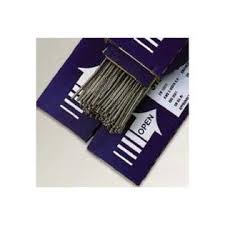
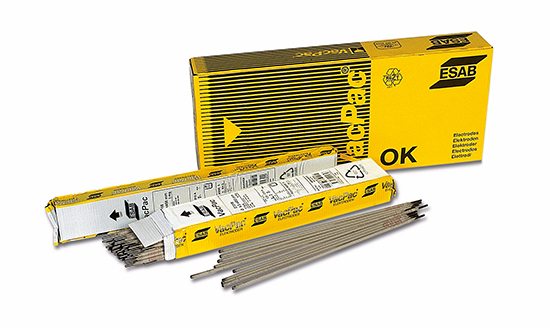
When you are welding thicker stainless steel sections and need a rod that runs smooth and handles easily, the Avesta E316L AC/DC 4.0mm electrode is a top-tier choice. We know that welding stainless with stick can sometimes be frustrating due to slag entrapment or erratic arcs, but Avesta has formulated this rod to solve those problems. The '17' class coating gives you a buttery smooth arc that stays stable whether you are running on a shop DC machine or a field AC buzz box. It wets out beautifully at the toes, helping you avoid undercut and creating a professional-looking bead with that classic gold/silver stainless color.
This 4.0mm (approx. 5/32") size is your go-to for filling grooves on heavier plate or pipe where smaller rods just take too long. It lays down metal efficiently, and the slag coverage is excellent—protecting the hot weld metal from the atmosphere until it cools. The best part? The slag practically lifts off by itself as it cools, or comes off with a light tap, saving you time on chipping and wire wheeling. Because it is a 316L rod, it is perfect for welding 316 stainless, but it is also a great 'safe bet' for 304 stainless if you want that extra corrosion protection provided by the Molybdenum content.
Whether you are repairing a chemical tank, fixing food processing equipment, or fabricating heavy marine hardware, this rod gives you the confidence that the weld will hold up against rust and pitting. The re-strike capability is excellent, so if you have to stop and start, you won't be fighting to get the arc going again. It's a welder-friendly rod that delivers X-ray quality results without the headache, making it a staple in any serious fabricator's rod oven.
| Additional Information |
|---|
| Brand:Avesta |
| Diameter:4.0mm (5/32") |
| Grade:316 |
| Weld Process:Stick (SMAW) |
| Polarity:AC/DCEP |
| AWS Spec:E316L-17 |
| Rod Type:Stick Electrode |
| Core Material:Stainless Steel |
| Coating Type:Rutile (AC/DC) |
| AWS Classification:E316L-17 |
| Welding Position:Flat, Horizontal, Vertical Up, Overhead |
| Current Type:AC, DC+ |
| Packaging Description:4.1kg tube |
| Packaging:10 lb Tube |