Canadian owned and operated
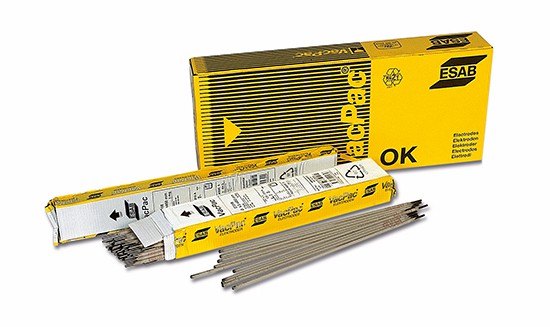
If you are looking for a stainless stick rod that runs like butter, the ESAB OK 63.30 is the legendary choice for welders everywhere. This E316L-17 electrode is famous for its incredibly smooth arc and user-friendly characteristics. Whether you are welding flat, horizontal, or even vertical-up, the OK 63.30 gives you complete control over the puddle with virtually no spatter to clean up afterwards. It is the kind of rod that makes you look like a pro, producing bright, shiny beads with fine ripples that require minimal post-weld grinding.
One of the biggest headaches with stainless stick welding is slag removal. The OK 63.30 solves this with a slag system that is practically self-releasing. In many cases, the slag will curl up and pop off as the weld cools, saving you time and frustration with the chipping hammer. The 3.2mm (1/8") size is perfect for medium-to-heavy gauge stainless plate and pipe, offering good deposition rates without overheating the base metal. It strikes and restrikes easily, so you won't be sticking the rod to the work every time you stop and start.
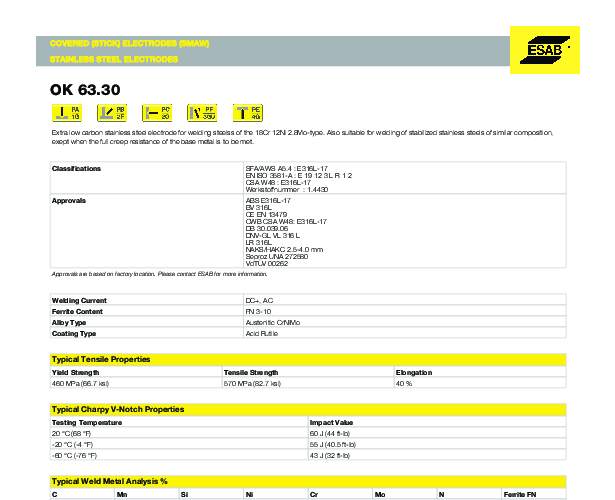
This rod is designed for 316 and 316L stainless steel, which is commonly found in marine environments, commercial kitchens, and chemical piping. The 'L' stands for Low Carbon, which means your welds won't rust out from the inside due to carbide precipitation. It also works great on standard 304 stainless if you need a higher-grade filler metal for added corrosion protection. You can run this electrode on any machine that outputs AC or DC+, making it versatile for shop floors and field repair trucks alike.
When you need a weld that looks as good as it holds, reach for the ESAB OK 63.30. It handles poor fit-ups well and wets out smoothly at the toes, reducing the chance of undercut. For best results, keep your arc length short and use a drag angle. Whether you are fixing a tank, building a manifold, or doing maintenance repair, this electrode delivers consistent, high-quality results every time you strike an arc.
| Additional Information |
|---|
| Brand:ESAB |
| Diameter:3.2mm (1/8") |
| AWS Spec:E316L-17 |
| Grade:316 |
| Weld Process:Stick (SMAW) |
| Polarity:AC/DCEP |
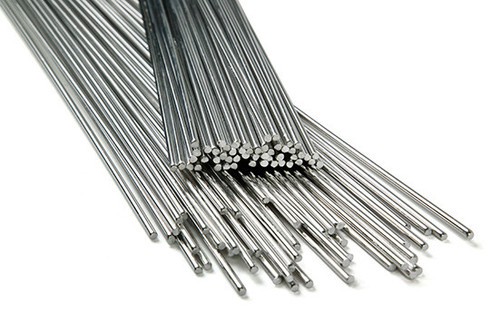
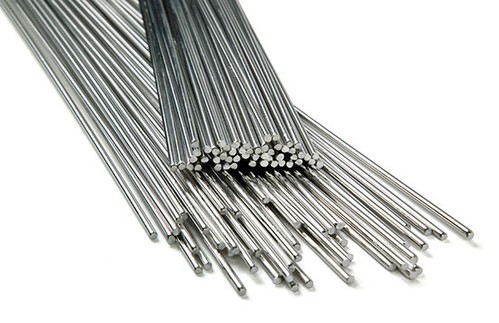
| Rod Type:Stick Electrode |
| Coating Type:Rutile-Acid |
| Alloy Type:Austenitic Stainless Steel |
| Welding Position:All Positions (except vertical down) |
| Current Type:AC, DC+ |
| Ferrite Content:FN 3-10 |
| Packaging Description:4.1kg tube |
| Packaging:10 lb Tube |