Skip to Main Content
Canadian
Canadian owned and operated

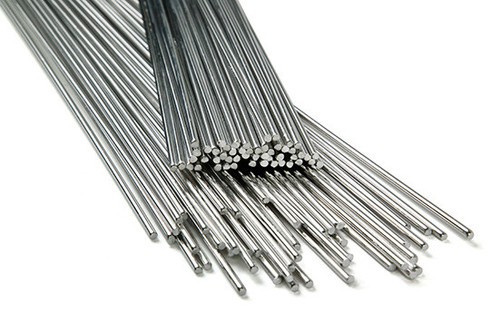
JH62TE-1/2 - Josef JH62TE 1/2-Inch Tubular Hardfacing Rods

Packaging: 5kg tube
$62.90/kg $301.50/5kg tube only $60.30/kgSave 4%

In stock

OVERVIEW

Armor Your Equipment Against Wear

When your heavy equipment is getting chewed up by sand, rock, and gravel, you need a welding rod that fights back. The Josef JH62TE-1/2 Hard Facing Tubular Electrode is your heavy artillery for equipment repair. This isn't your average welding rod—it's a 1/2-inch thick tubular beast designed to lay down serious metal quickly. If you are working on bucket teeth, grizzly bars, or conveyor screws that are constantly wearing down to nothing, this is the rod you grab to build them back up and keep them running longer.

The "TE" stands for Tubular Electrode. Instead of a solid wire, this rod is a tube packed with hardfacing powder. What does that mean for you? It means you get a much harder weld deposit—hitting around 62 on the Rockwell C scale. That's hard enough to scratch glass and tough enough to slide over granite without wearing down. Because it's a 1/2-inch rod, you can lay down wide, thick beads in a single pass, saving you hours of welding time when you're trying to cover a massive crusher liner or a bulldozer blade. It runs smooth on your stick welder, giving you a consistent bead that ties in well to the base metal.

Best Practices for the Shop:

  • Preparation: Clean the surface of oil, grease, and rust. If the old hardfacing is spalling, grind it down.
  • Settings: This is a big rod, so you'll need a machine with plenty of amperage. Run it on DC+ or AC.
  • Technique: Use a weave bead to cover more ground. Don't worry about making it look pretty; worry about coverage.
  • Layers: usually limited to 2 layers to prevent cracking. If you need more buildup, use a softer buildup rod underneath first.

Stop replacing parts every week. Hardface them with JH62TE and get back to work.

Additional Information
Brand:Josef
Grade:Hardfacing
Weld Process:Stick (SMAW)
Diameter:12.7mm (1/2")
Position:Flat, Horizontal
Rod Type:Tubular Electrode
Hardness:60-62 HRC
Coating Type:Tubular / Flux Coated
Applications:Severe Abrasion, Mining, Earthmoving
Current Type:AC / DC+
Packaging Description:5kg tube

INCLUDED

  • 1 x Package of JH62TE 1/2" Hard Facing Tubular Electrodes
  • Storage and handling instructions

APPLICATIONS

  • Mining excavator buckets and teeth
  • Dredging cutter heads and pump casings
  • Agricultural tillage tools and plowshares
  • Rock crusher rolls and hammers
  • Cement mixer blades and chutes
  • Auger flights and screw conveyors
  • Earthmoving dozer blades and scrapers

FAQ

A tubular electrode consists of a metal sheath filled with alloying powders (like carbides), whereas a standard stick electrode is a solid wire with a flux coating. Tubular electrodes typically offer higher deposition rates and can contain a higher percentage of hardfacing alloys.

The JH62TE produces a weld deposit with a hardness of approximately 60-62 HRC (Rockwell C), making it highly resistant to abrasion.

No, the deposit is extremely hard (62 HRC) and is generally considered non-machinable. It can only be finished by grinding.

A 1/2" diameter electrode is very large and requires high amperage, typically in the range of 250-400+ Amps depending on the specific machine and travel speed. Check your machine's duty cycle.

The JH62TE is designed primarily for severe abrasion. While it has moderate impact resistance, for high-impact applications (like rock crushing hammers), a manganese or lower-hardness impact-resistant rod might be better as a base layer.

If applying to high-carbon steel or if multiple layers are needed, a buffer layer (like a low-hydrogen 7018 or a specific buildup rod) is recommended to prevent cracking and ensure good bonding.

This electrode can be operated on both AC (Alternating Current) and DC+ (Direct Current Electrode Positive).

It is generally recommended to limit hardfacing deposits like this to 2 layers to prevent stress cracking (check cracking). If more buildup is required, use a compatible buildup alloy first.