Canadian owned and operated
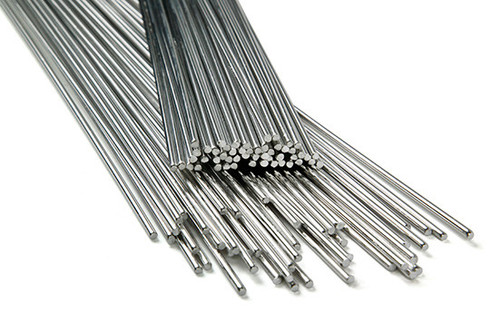
The Josef C32 3.2mm Cast Iron Electrode is a high-performance Shielded Metal Arc Welding (SMAW) consumable engineered for the industrial welding professional. This electrode utilizes a Nickel-Iron (NiFe) core wire, typically containing approximately 55% nickel and 45% iron. This specific metallurgy is chosen for its superior resistance to hot cracking and its high tensile strength, making it significantly more robust than pure nickel (99%) electrodes when welding heavy or thick-sectioned castings.
Welders will appreciate the C32's exceptional arc characteristics. It provides a soft, stable arc with excellent wetting action, which is crucial for achieving good fusion with the base metal without introducing excessive heat. The electrode is designed to minimize the width of the heat-affected zone (HAZ), thereby reducing the formation of brittle martensite and lowering the risk of post-weld cracking. It operates effectively on both Direct Current Electrode Positive (DCEP) and Alternating Current (AC), offering flexibility for shop and field applications. The slag system is designed for easy removal, revealing a clean, sound weld bead that blends well with the parent material.
The Josef C32 is particularly effective for welding high-phosphorus irons and ductile iron (nodular iron). It is the preferred choice for applications requiring high strength and ductility, such as joining cast iron to steel. The weld deposit remains machinable, allowing for post-weld finishing operations. For optimal results, short stringer beads and peening are recommended to relieve residual stresses induced during the cooling process. This electrode is a staple for any MRO inventory, providing a dependable solution for salvaging expensive castings and minimizing downtime.
| Additional Information |
|---|
| Brand:Josef |
| Diameter:3.2mm (1/8") |
| Grade:Cast Iron |
| Weld Process:Stick (SMAW) |
| Polarity:AC/DC |
| Position:All Position |
| Rod Type:Stick Electrode |
| Core Material:Nickel-Iron (NiFe) |
| AWS Classification:ENiFe-CI Equivalent |
| Amperage Range:70-110 A |
| Welding Position:Flat, Horizontal, Vertical, Overhead |
| Machinability:Yes |
| Packaging Description:5kg tube |
| Packaging:5 kg Tube |