Canadian owned and operated
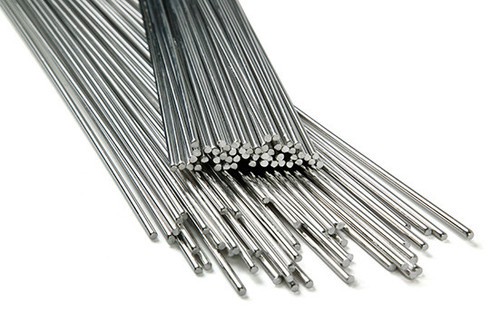
The Josef H63 is a graphite-basic coated stick electrode developed for the hardfacing of structural parts subject to severe abrasion with moderate impact. For professional welders and fabricators, this 3.2mm electrode represents a high-performance consumable capable of depositing a martensitic weld metal with a high concentration of hard carbides. The resulting deposit boasts a hardness range of approximately 58-63 HRC, making it exceptionally resistant to sliding wear, mineral abrasion, and grinding friction.
Metallurgical Characteristics and Application
The weld metal structure consists of hard chromium carbides within a tough martensitic matrix. This microstructure is what provides the H63 with its superior wear resistance. It is specifically recommended for applications where the primary failure mode is abrasion, such as on mixer blades, ploughshares, pump casings, and dredging teeth. While the deposit is extremely hard, it is generally not machinable by conventional methods and must be ground if shaping is required. The 3.2mm diameter allows for a versatile current range (typically 90-140 Amps), enabling the welder to balance deposition rate with heat input to minimize dilution with the base metal.
Welding Parameters and Technique
The Josef H63 operates smoothly on both AC and DC+ polarity. For optimal hardness results, it is recommended to keep dilution low; therefore, using the lowest practical amperage and a short arc length is advised. When building up heavily worn parts, a buffer layer using a softer, more ductile electrode (such as a 7018 or a specialized buffer rod) may be necessary to prevent cracking in the hardfacing layers or peeling from the base metal. The H63 produces a flat to slightly convex bead profile with fine ripples. Slag release is generally self-lifting or requires only light chipping.
Key Technical Specifications:
This electrode is an essential addition to any MRO welding inventory, providing the capability to perform critical surface restoration on carbon steels, low alloy steels, and manganese steels.
| Additional Information |
|---|
| Brand:Josef |
| Diameter:3.2mm (1/8") |
| Grade:Hardfacing |
| Weld Process:Stick (SMAW) |
| Polarity:AC/DC |
| Rod Type:Stick Electrode, Hardfacing |
| Hardness:58-63 HRC |
| Coating Type:Basic-Graphite |
| Welding Position:Flat, Horizontal, Vertical Up |
| Current Range:90-140 A |
| Packaging Description:5kg tube |
| Packaging:5 kg Tube |
| Position:All Position |