Canadian owned and operated

Package Price:
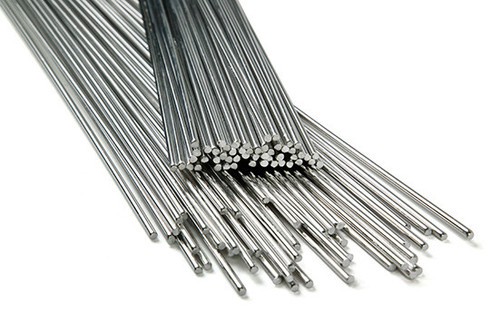
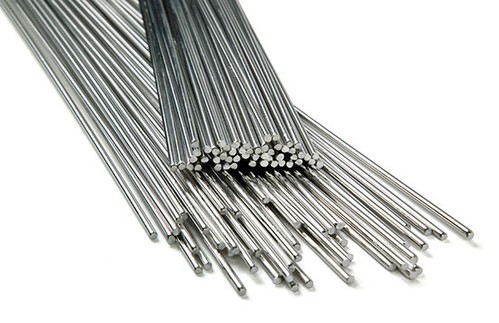
$1,486.20/10 lb tubeWhen your equipment faces extreme wear and tear, standard welding rods just won't cut it. Enter the Exocor Cobalt 12 TIG Rod, a high-performance hardfacing solution designed to extend the life of your most critical tools and parts. This 1/8-inch rod comes in a convenient 10lb tube, giving you the material you need to tackle tough surfacing jobs in your shop or garage. If you are looking for a step up in hardness from the standard Cobalt 6, this ERCoCr-B alloy is the perfect choice.
Cobalt 12 is famous for its ability to handle high heat and heavy abrasion. It creates a weld deposit that acts like a shield, protecting the base metal from cutting wear, sliding friction, and erosion. This makes it an industry favorite for welding saw teeth in lumber mills, rebuilding valve seats in engines, and reinforcing cutting edges on shear blades. The alloy stays hard even when it gets hot, so your equipment keeps working efficiently even under thermal stress.
Why Choose Cobalt 12?
While Cobalt 6 is the most common general-purpose hardfacing alloy, Cobalt 12 offers significantly better abrasion resistance. It achieves a hardness of roughly 46-50 HRC, making it tough enough to cut through materials that would wear down softer alloys. Despite this extra hardness, it still retains enough toughness to resist cracking under moderate impact, giving you a balanced solution for difficult wear problems.
Easy to Use with TIG
Designed for the TIG (GTAW) process, these rods offer precise control over your weld puddle. You'll get clean, high-quality deposits with minimal spatter. Simply use pure Argon gas and set your machine to DCEN (Direct Current Electrode Negative). The rod flows smoothly and bonds well with stainless steels and other nickel-based alloys, allowing you to rebuild worn surfaces to their original dimensions—or better.
Common Applications:
Don't let wear slow you down. Upgrade your hardfacing capabilities with Exocor Cobalt 12 TIG rods and keep your machinery running smoother, longer.
| Additional Information |
|---|
| Brand:Exocor |
| Diameter:3.2mm (1/8") |
| Grade:Cobalt 12, ERCoCr-B |
| Packaging:10 lb Tube |
| Weld Process:TIG (GTAW) |
| AWS Classification:ERCoCr-B |
| Material Composition:Cobalt-Chromium-Tungsten |
| Shielding Gas Requirement:100% Argon |
| Hardness:46-50 HRC |
| Rod Type:Solid TIG Rod |
| Applications:Hardfacing, Saw Teeth, Valve Seats |
| Packaging Description:10 lb tube |
| Position:N/A |
| Polarity:N/A |