Skip to Main Content
Canadian
Canadian owned and operated
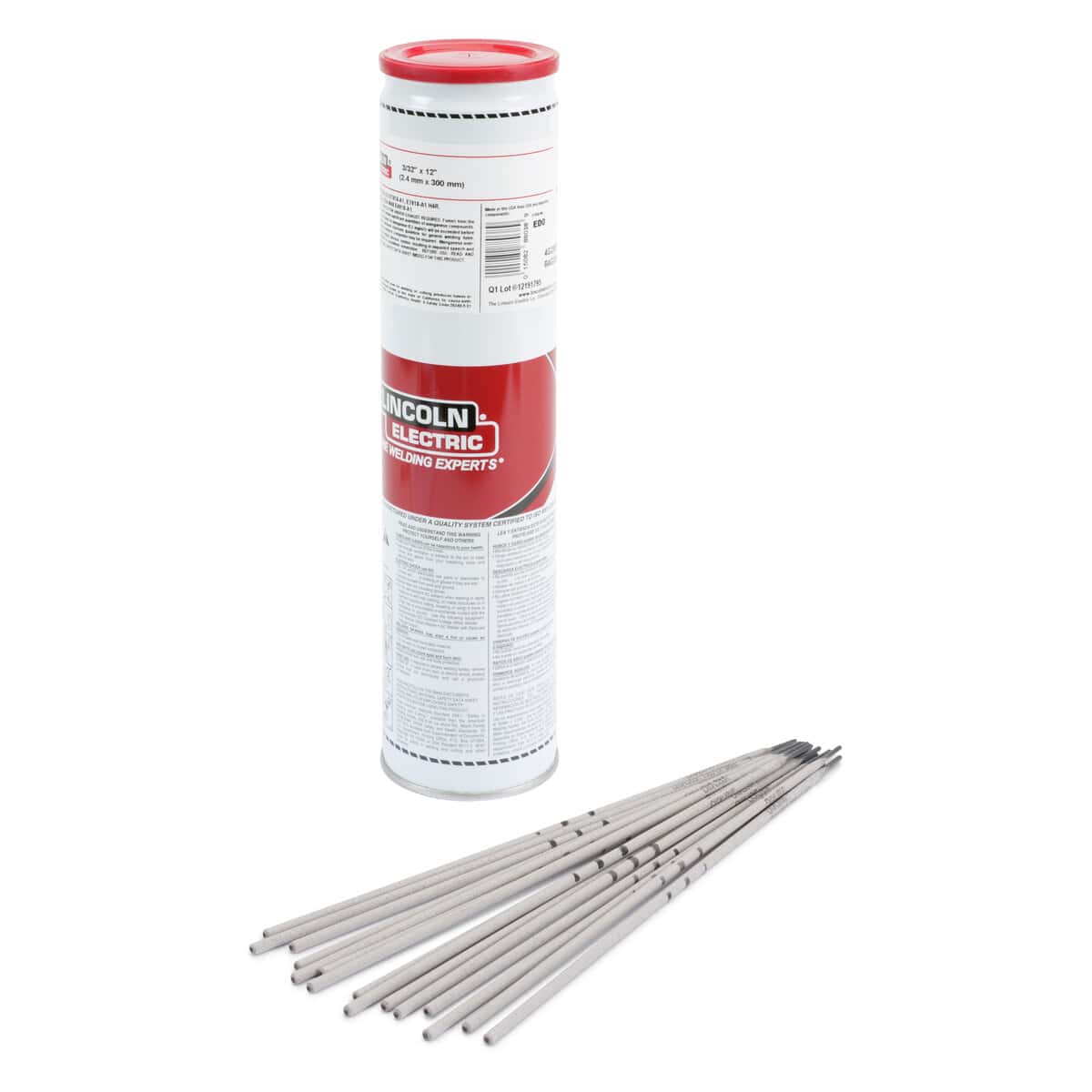
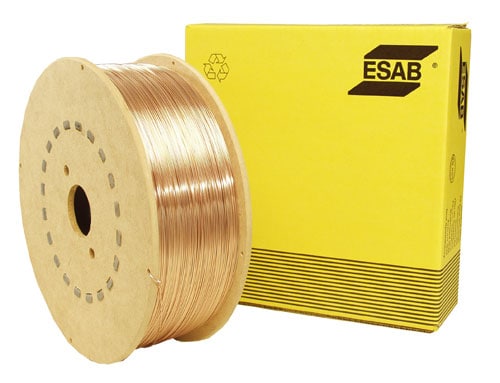
ED032602 - Excalibur 9018M MR 1/8" Stick Electrode (50lb Can)

Packaging: 30lb carton
$13.65/lb $308.40/30lb carton only $10.28/lbSave 25%

Usually ships within 3-5 business days

OVERVIEW

Premium Welding Rods for High-Strength Steel

Take your stick welding to the next level with Lincoln Electric's Excalibur® 9018M MR®. If you are working on projects that demand more strength than a standard 7018 rod can provide, this E9018-M electrode is your solution. The ED032602 is a 1/8-inch diameter rod packaged in a 50-pound can, designed specifically for welding low-alloy, high-strength steels often found in heavy construction, shipbuilding, and chassis fabrication.

Welders love the Excalibur series for its exceptional "weldability." The arc is smooth, stable, and easy to start, even on restrikes. Unlike cheaper rods that fingernail or burn unevenly, the Excalibur 9018M burns square and consistent, giving you total control over the puddle. The slag lifts off easily—often curling up on its own—leaving behind a clean, professional-looking bead with minimal spatter. This means less time chipping and grinding, and more time laying down metal.

Beyond just ease of use, this rod is built for toughness. The "MR" stands for Moisture Resistant, meaning the coating doesn't absorb humidity from the air as quickly as standard rods. This protects your welds from porosity and cracking, ensuring that every pass you make is solid and code-compliant. Whether you are welding in the shop or out in the field, the Excalibur 9018M gives you the confidence that your welds will hold up under extreme stress.

Why Welders Choose Excalibur

  • Smooth Arc: Soft, consistent arc with minimal spatter for a comfortable welding experience.
  • Easy Cleanup: Slag releases effortlessly, revealing a smooth, high-quality bead profile.
  • Reliable Restrikes: tip design aids in quick ignition, reducing frustration during stop-start welding.
  • Versatile Power: Runs great on both DCEP and AC current, adapting to your machine's capabilities.
Additional Information
Brand:Lincoln Electric
AWS Spec:E9018-M
Diameter:3.2mm (1/8")
Packaging Description:50lb can
Polarity:AC/DCEP
Position:All
Amp Range:110-160 A
Material Composition:Low Alloy Steel
AWS Classification:E9018-M H4R
Tensile Strength:90,000 psi (620 MPa)
Welding Current:DCEP, AC
Coating Type:Low Hydrogen, Iron Powder
Moisture Resistance:H4R

INCLUDED

  • 50 lb (22.7 kg) Easy Open Can of Excalibur® 9018M MR® 1/8" Stick Electrodes

APPLICATIONS

  • Pressure Vessel Fabrication
  • Structural Steel Erection
  • Shipbuilding and Offshore Platforms
  • Military and Defense Equipment
  • Pipeline Welding
  • Heavy Equipment Repair

FAQ

The primary difference is tensile strength. E7018 has a minimum tensile strength of 70,000 psi, while E9018-M has a minimum of 90,000 psi. E9018-M is used for welding higher-strength low-alloy steels.

H4R indicates the electrode is Low Hydrogen (less than 4ml of diffusible hydrogen per 100g of weld metal) and Moisture Resistant (R), meaning it resists absorbing moisture from the air for a longer period than standard electrodes.

For the 1/8" (3.2mm) diameter Excalibur 9018M, the recommended amperage range is typically between 110 and 160 amps in the flat position, and slightly lower (90-150 amps) for vertical and overhead positions.

Yes, Excalibur 9018M is designed to operate on both DC+ (DCEP) and AC polarity, providing flexibility depending on your power source.

Once the hermetically sealed can is opened, electrodes should be stored in a rod oven at 250°F - 300°F (120°C - 150°C) to maintain their low hydrogen status. If exposed to air for too long, they may need reconditioning.

No, like most low-hydrogen electrodes (EXX18), this is designed for vertical up welding. Vertical down is not recommended as it can lead to slag entrapment and lack of fusion.

It is widely used in industries requiring high-strength welds, such as petrochemical (pressure vessels), shipbuilding, military defense projects, and heavy structural steel fabrication.

Standard low-hydrogen techniques apply: maintain a short arc, use a slight drag angle, and ensure the base metal is clean and free of oil, rust, or moisture before welding.

CATALOGUE & SPEC SHEETS

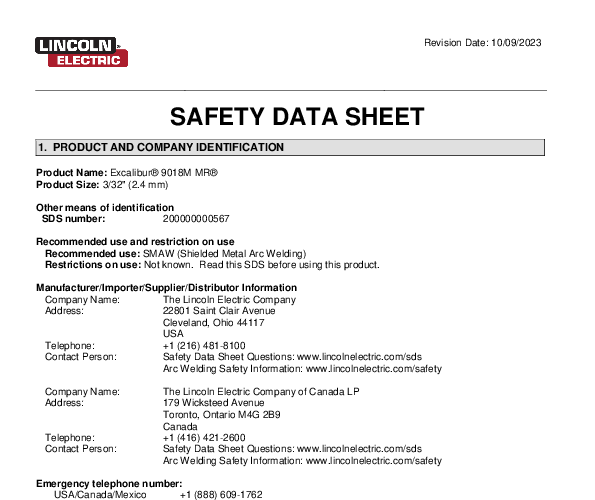
Safety Data Sheet