Canadian owned and operated
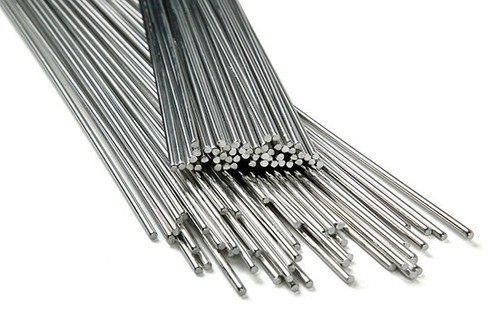
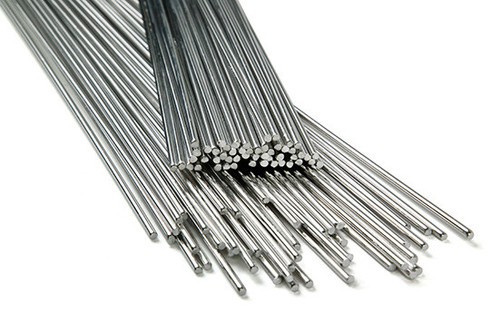
If you are fabricating roll cages, chassis components, or aircraft fuselages, you know that 4130 Chrome-Moly tubing requires a specific touch and the right filler metal. The Exocor ER4130 TIG Rod in 1/16" diameter is your go-to solution for these high-stakes projects. Unlike standard mild steel rods, this filler is chemically matched to your 4130 base metal, meaning your welds won't just look good—they will perform under stress. When you are betting your safety (or your customer's safety) on a weld, you want a rod that matches the strength and heat-treating characteristics of the steel you are welding.
Welders love this rod for its smooth flow and puddle clarity. The 1/16" size is perfect for the wall thicknesses typically found in motorsports and aviation tubing. It gives you enough filler to build a nice bead without chilling the puddle too fast or piling up too much metal. The clean finish on Exocor rods means you aren't fighting dirty wire; you get a stable arc and a fluid puddle that wets out nicely at the toes. This makes it easier to avoid undercutting, which is crucial when welding thin-wall alloy tubing where stress risers can lead to cracks.
One of the biggest advantages of using this specific ER4130 rod is the ability to heat treat your parts after welding. If you use a standard ER70S-2 or ER70S-6 on 4130, you can't heat treat the part to the same strength because the weld metal won't harden like the parent material. With Exocor ER4130, the weld metal responds to heat treatment just like the tubing, allowing you to normalize or harden the entire frame for maximum strength and durability. Whether you are fixing a cracked mount or building a custom dragster from the ground up, keep a tube of Exocor 4130 in your shop.
Remember that 4130 material likes a little preheat, especially on thicker sections, to prevent cracking. Keep your arc tight and your shielding gas coverage generous. These rods are designed to give you the best possible results, but they work best when you follow proper Chrome-Moly procedures. Don't rush the cooling process—let your work cool slowly to keep it tough.
| Additional Information |
|---|
| Brand:Exocor |
| Grade:4130 |
| Diameter:1.6mm (1/16") |
| Weld Process:TIG (GTAW) |
| Aws Spec:ER4130 |
| Rod Type:TIG |
| Material Composition:Chromium-Molybdenum Steel |
| Diameter / Length:1/16" x 36" |
| AWS Classification:ER4130 |
| Shielding Gas Requirement:100% Argon |
| Applications:Motorsports, Aviation, Roll Cages, Bicycle Frames |
| Welding Position:All Position |
| Packaging Description:10lb tube |
| Packaging:10 lb Tube |
| Polarity:DCEN |